Queen Elizabeth Olympic Park: A decade of legacy, activation, and inclusive growth
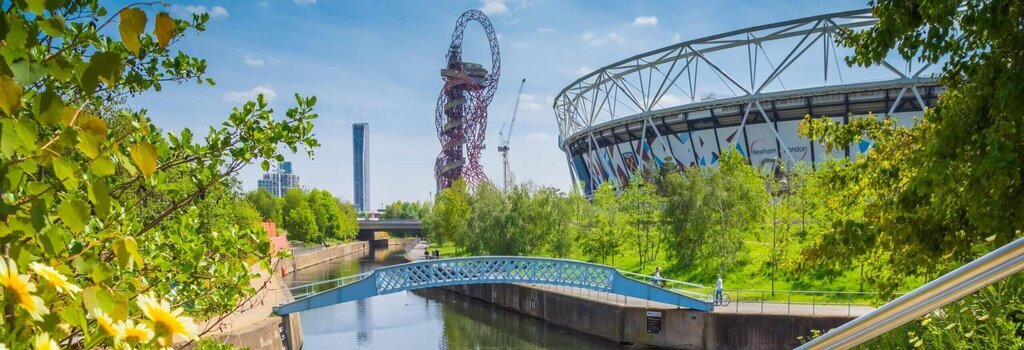
More than ten years after the 2012 London Olympics, Queen Elizabeth Olympic Park remains a global benchmark for long-term major-event legacy. Its continued success stems not only from world-class venues and infrastructure but from a commitment to activating spaces, engaging diverse audiences, and delivering economic and cultural value for the local community.
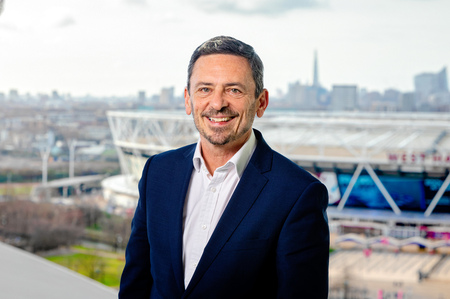
At the Arenas Operators and Developers World Summit in Birmingham, Mark Camley, Executive Director of Estate & Neighbourhoods at the ark, will share insights into how the estate maintains relevance, drives repeat visitation, and supports innovation across its evolving development.
In this interview, Camley reflects on the strategies that have kept the Park vibrant and inclusive, from the expansion of its East Bank cultural quarter to pioneering collaborations like ABBA Voyage. He explores how activation, thoughtful programming, and strong partnerships have created a world-class, mixed-use district that continues to attract 20 million visitors annually, while demonstrating lessons that other arenas and event destinations can apply to their own long-term legacy planning.
 More than 10 years on from London 2012, Queen Elizabeth Olympic Park is often cited as a global benchmark for major-event legacy. What do you see as the most significant factors that have enabled the park to maintain relevance and momentum over such a long period?
“There are four key factors that have enabled Queen Elizabeth Olympic Park to remain relevant since the fantastic summer of 2012. Firstly, the project has retained cross-party political support despite governmental changes.
“Secondly, we’ve stuck to a vision for the overall place – housing, schools, and commercial space – that was always about more than just the Park and its venues.
“Thirdly, our masterplans have provided a guiding framework for development while allowing flexibility when needed. A great example of this is the expansion of our East Bank cultural quarter, now home to BBC Music Studios, Sadler’s Wells East, UAL’s London College of Fashion, UCL’s East campus, and V&A East Storehouse and Museum.
“Lastly, the London Legacy Development Corporation (LLDC), which develops and manages the Park, had a clear mission to use the 2012 Games as a catalyst for transforming east London, supporting growth, investment, and community opportunities. We recently launched our Framework for Inclusive Growth, setting out a shared vision to create an innovative, globally connected metropolitan centre with community and opportunity at its heart.”
 Your presentation focuses on “activation.” How do you define activation in the context of a large, mixed-use estate like Queen Elizabeth Olympic Park, and what does successful activation look like day-to-day?
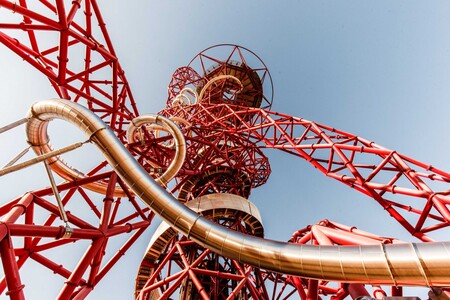
“Activation is about bringing the Park to life in ways that feel relevant and welcoming to a broad audience. With 20 million annual visits, we offer a unique mix of attractions including ABBA Voyage, major sporting and music events at iconic venues such as the London Aquatics Centre, Copper Box Arena, London Stadium, and Lee Valley’s Velodrome and Hockey and Tennis Centre. Visitors can also experience the world’s longest tunnel slide at the ArcelorMittal Orbit, enjoy a free public art trail, explore expansive waterways and green space, and engage with East Bank’s cultural, creative, and educational offerings.
“Successful activation means animating spaces through culture, sport, learning, nature, and entertainment while ensuring they work for both local communities and visitors. Whether it’s people attending performances and exhibitions at East Bank, athletes training across world-class sporting venues, families exploring art trails, or visitors discovering something new on each visit – it’s this combination that makes the Park feel vibrant and inclusive every day.”
The park attracts a wide range of audiences – from local families to international visitors. What strategies have been most effective in keeping programming diverse and inclusive?
“We focus on offering something for everyone. Alongside major events, we provide community-focused programming, such as our inaugural Winter Adventure with 24 days of free activities in December, or beach tennis during the summer. The Park is designed for families, and we often include activities for children, like a recent brand activation that featured a fun run for local schoolchildren.”
Repeat visitation is something many destinations struggle with. What have you learned about encouraging people to return throughout the year?
“We’ve learned the importance of experimentation, investment, and growth. Our evolving approach to activation and diverse mix of experiences allows us to attract visitors year-round with support from our venues and partners. It’s about creating a connection that people can’t experience anywhere else.”
 A decade of legacy work inevitably requires strong partnerships. Can you share examples of transformative collaborations?
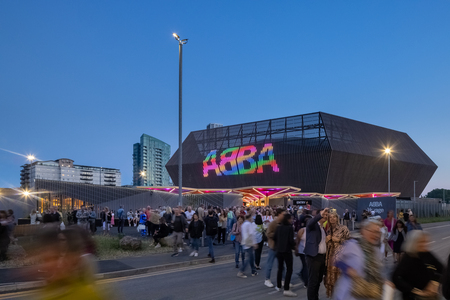
“One of our most successful partnerships has been with ABBA Voyage, a groundbreaking live experience in a custom-built arena. While operating under temporary planning permission, the arena has already extended its lease once and discussions are underway for further extension. Beyond generating over £2bn in gross value added, it has created local jobs through our Cultural Engagement Programme, supporting our inclusive growth agenda.”
Economic and cultural value creation is a core pillar of long-term legacy. How do you measure success?
“We survey visitors annually to understand perceptions and experiences. Research shows our mixed offering attracts a broad audience, visitor spending is increasing, and our Net Promoter Score confirms a ‘very good’ visitor experience. Independent analysis by Prior and Partners found that between 2012 and 2023, £3.5bn of gross value added was delivered to the Park planning area, supporting more than 38,000 full-time equivalent jobs.”
How is the Park evolving through new development and regeneration projects?
“Our Framework for Inclusive Growth outlines the next phase, focusing on Habitat, Inclusive Talent, and Health and Wellbeing. Upcoming developments include the V&A East Museum opening in April 2026 and the completion of BBC Music Studios. We continue to emphasise partnership, innovation, and creativity, while showcasing all the Park has to offer.”
How do you balance preserving the spirit of 2012 with supporting new growth and innovation?
“We build on elements that were integral to the 2012 Games, including volunteering, sustainability, and re-use and recycling. Today, the Park also serves as one of London’s three Innovation Districts, supporting innovators in east London and embracing frontierism.”
Finally, for arena operators and developers attending the Summit, what key lessons from the Olympic Park’s journey are most transferable?
“Have a clear vision with a strong social mission, involve the community in co-creation, view interim spaces as opportunities, and establish a reputation for high-quality delivery.”
The Arenas Operators and Developers World Summit will be hosted at the NEC in Birmingham, UK, from 10-11 February 2026. Book your delegate pass today by clicking here.